







BUILD A BETTER COIN.KNOW THE WHOLE FLIGHT PLAN.
Coinable has been producing custom coins since 2003. This guide brings the useful depth of the original custom coin reference into a cleaner visual system built around the current Coinable workflow — from artwork and tooling through metal, color, edges, specialty features, quantity, budget and production.
THREE WAYS INTO THE BUILD.
The guide explains the coin first, then hands the customer into the right control deck instead of forcing the educational page to act like a configurator.
MINI BOSS
A fast starting point for product, size, shape, quantity and budget direction.
OPEN MINI BOSS →PRI-FLY 2.0 / AIR BOSS 2.0
The full question, feature, quantity comparison, pricing and MAX BUDGET workspace.
ENTER PRI-FLY 2.0 →AIR BOSS 3.0
For projects with established coin specifications where controlled quantity and budget decisions take priority.
OPEN MY COINABLE →ENGINEERED AROUND THE FINISHED COIN.
Quality is not one feature. It is the combination of relief, tooling, metal, enamel, edge, weight and manufacturing control working together.
Die-struck and die-cast production paths matched to the shape and depth required by the artwork.
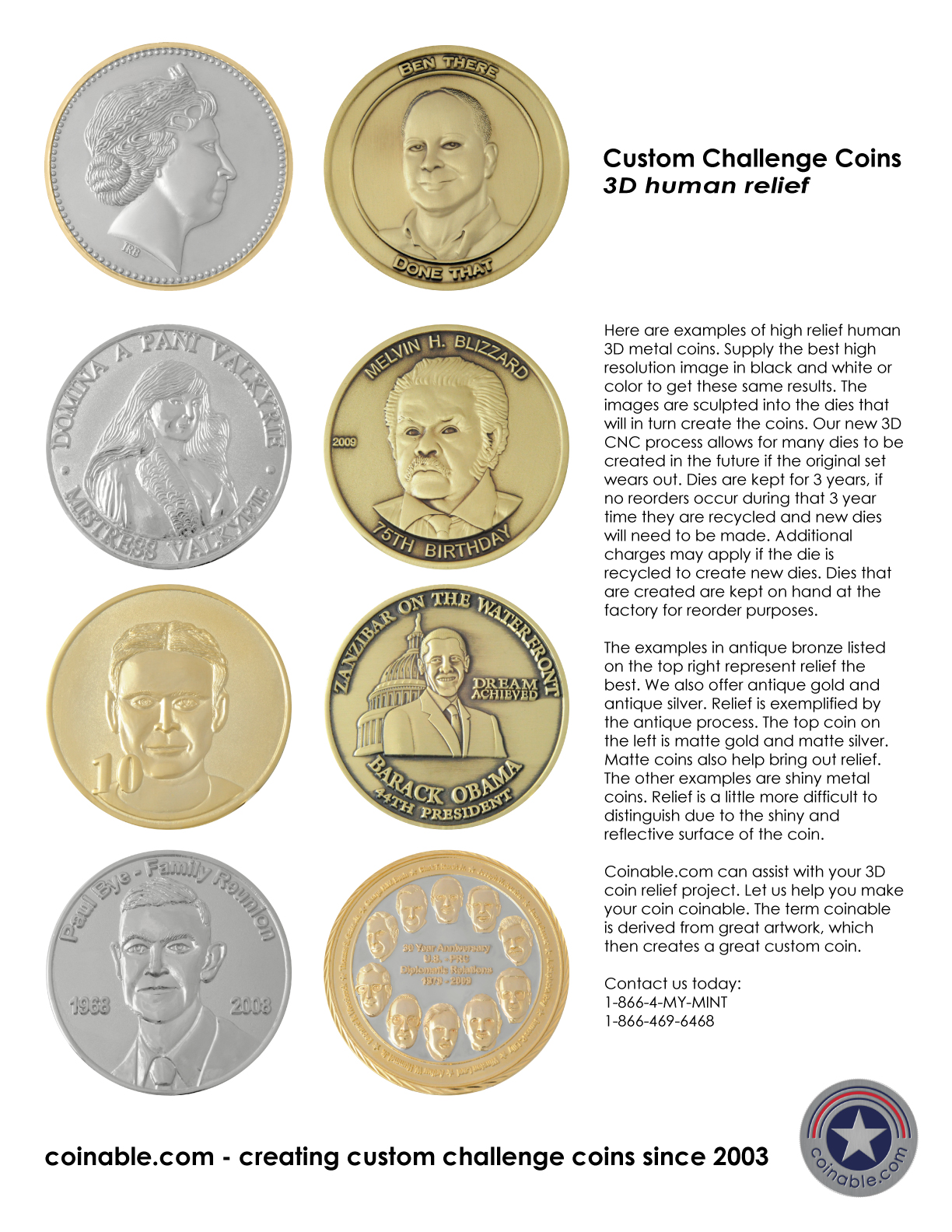
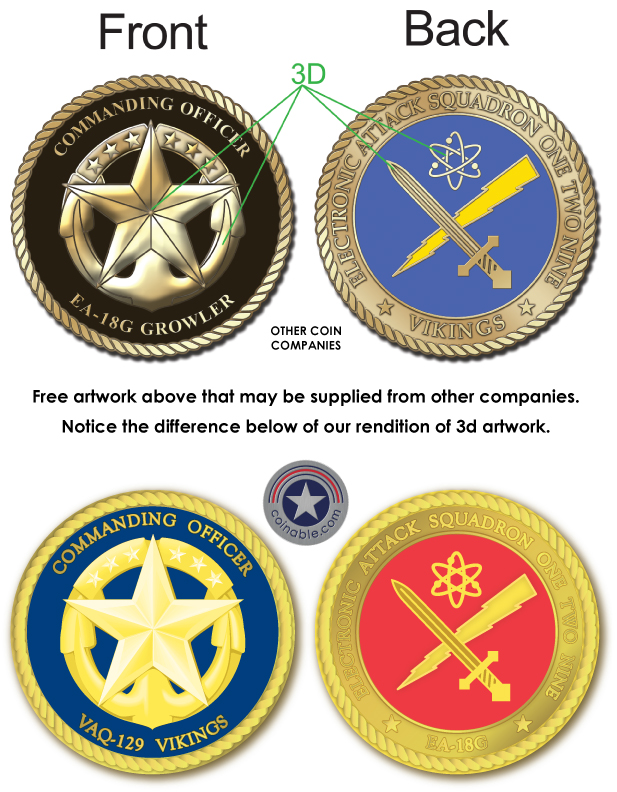
2D and 3D sculpting designed for readable detail, shadows and tactile depth.
Antique, polished, two-tone and specialty plating choices chosen as part of the design.
Production fit, quality, capability and reliability matter more than simply routing work to the cheapest source.
THE SEVEN BUILD STATIONS.
The complete process from concept through finished custom coin.
Design
Size, shape, wording, border, relief and intended use.
Die / Mold
Artwork becomes hardened production tooling.
Strike / Cast
Metal is formed using the correct production method.
Finish
Plating and antiquing establish contrast and character.
Color
Enamel or printing is applied where the design calls for it.
Edge
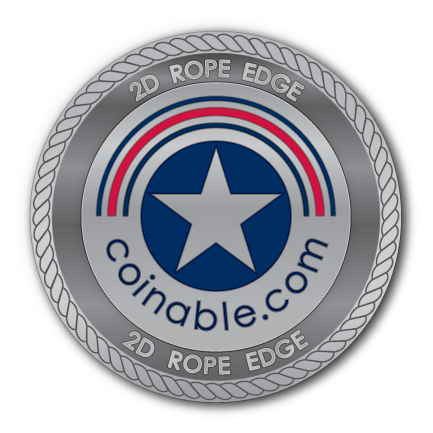
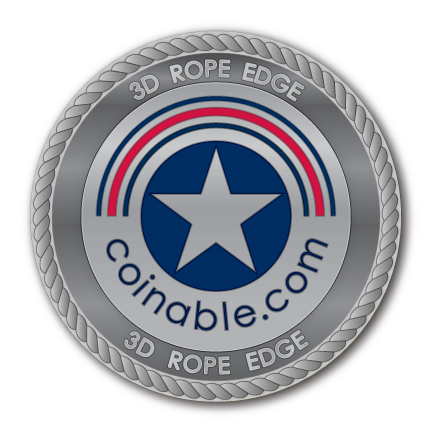
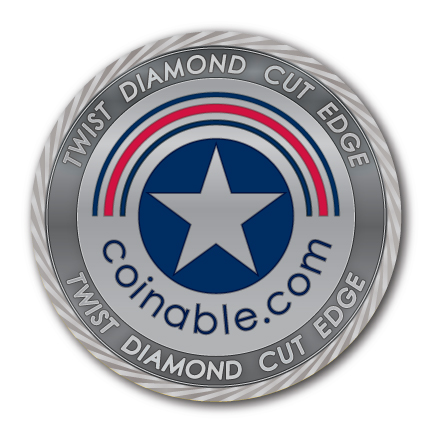
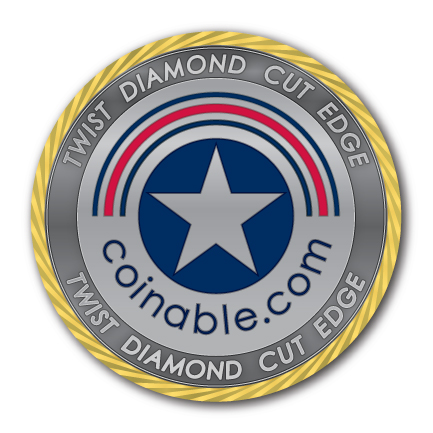
Rope, reeded, diamond-cut, text and other treatments.
Features
Numbering, cutouts, epoxy, 3D and specialty construction.
THE ARTWORK HAS TO SURVIVE MANUFACTURING.
We help define coin diameter and thickness, base metal, finish, raised and recessed areas, 2D or 3D relief, enamel, edge detail and packaging before production begins.
- Diameter + thickness
- Round or special shape
- Die-struck or die-cast
- Raised vs recessed metal
- 2D or 3D sculpting
- Color placement
- Edge treatment
- Packaging
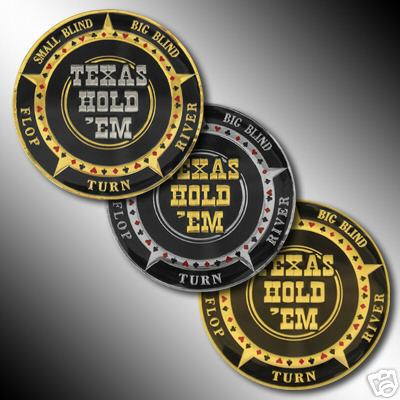
TOOLING CONTROLS THE DETAIL.
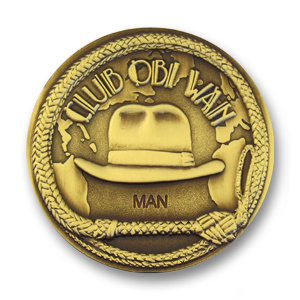
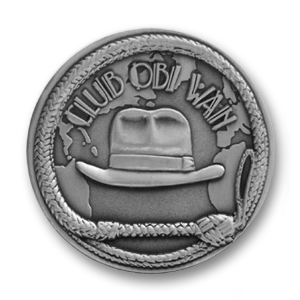
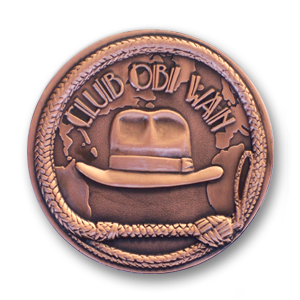
The approved design is converted to production tooling. This stage defines relief depth, fine-line detail, text sharpness and 3D contouring. High relief can create dramatic shadows and a much stronger tactile result.
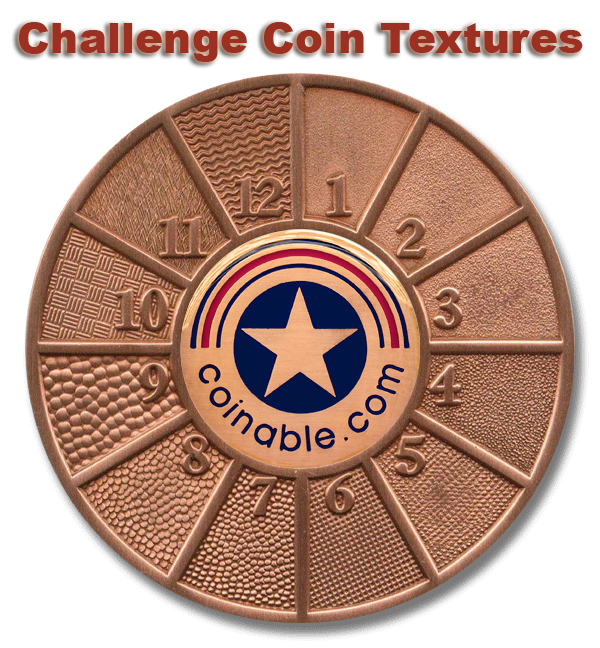
PRESSURE TURNS THE DESIGN INTO METAL.
For die-struck coins, metal blanks are pressed under high pressure to form raised logos, recessed backgrounds, textures and sculpted elements. Special shapes and deeper geometry can require die-cast zinc instead.
Production method should follow the design — not the other way around.
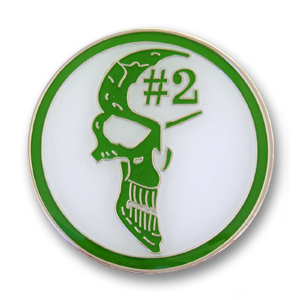
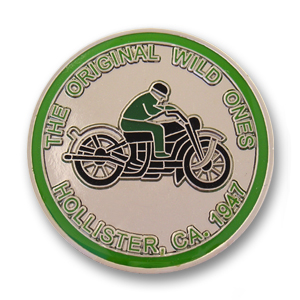
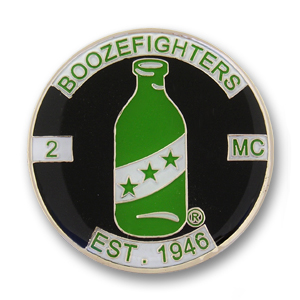
THE METAL DEFINES THE PERSONALITY.
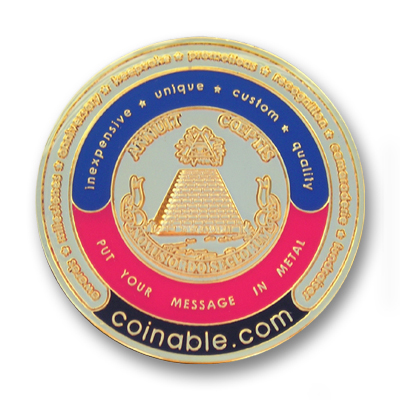
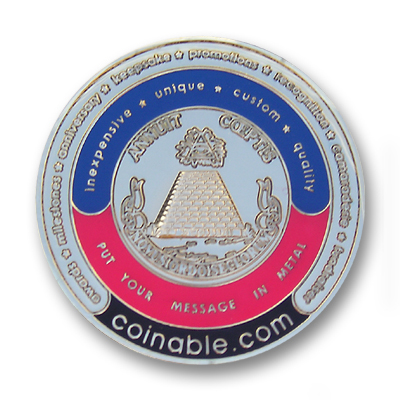
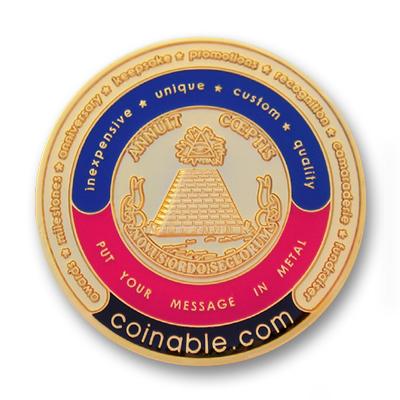
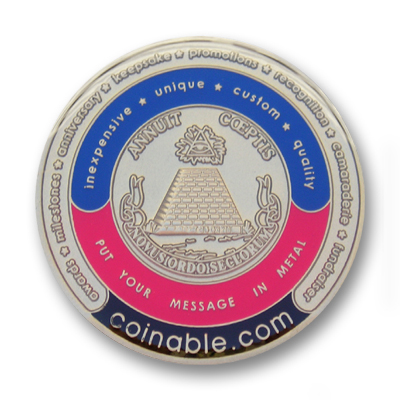
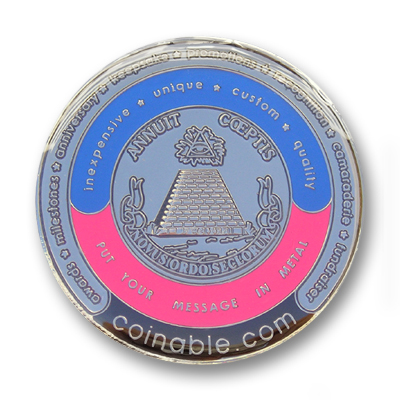
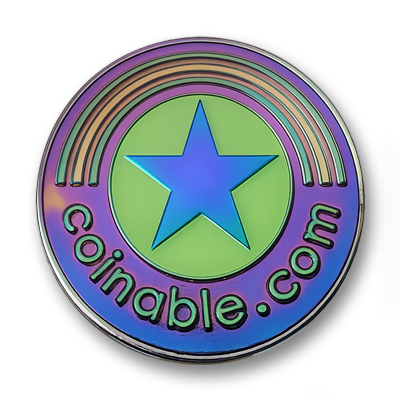
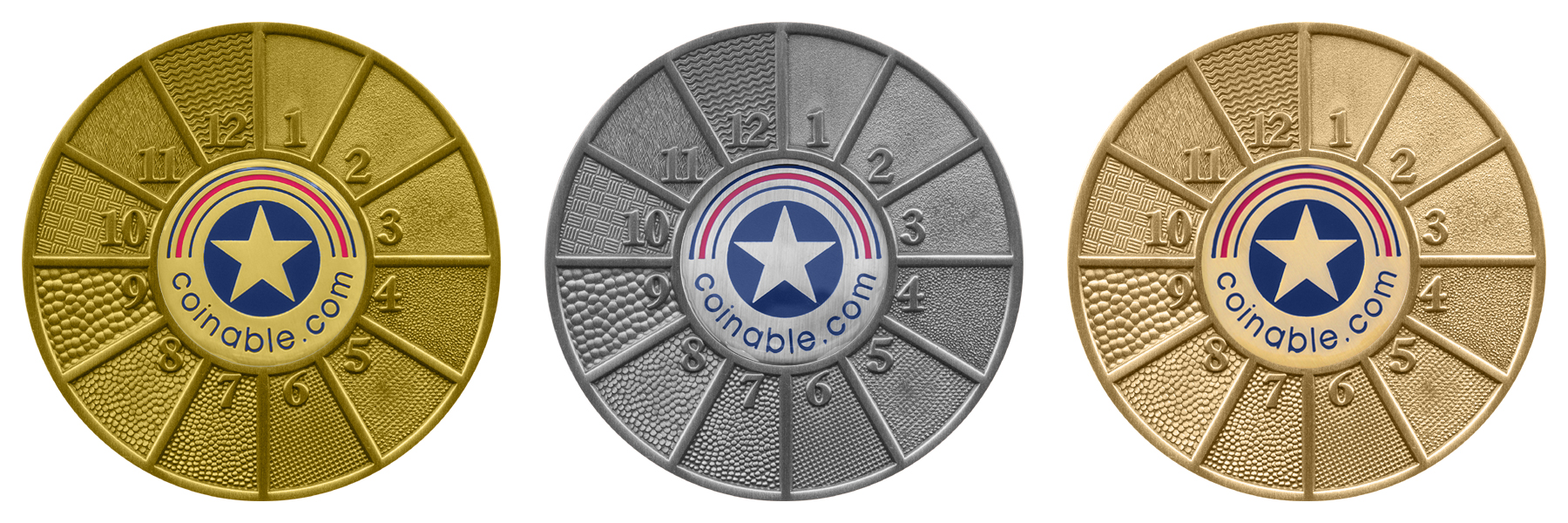
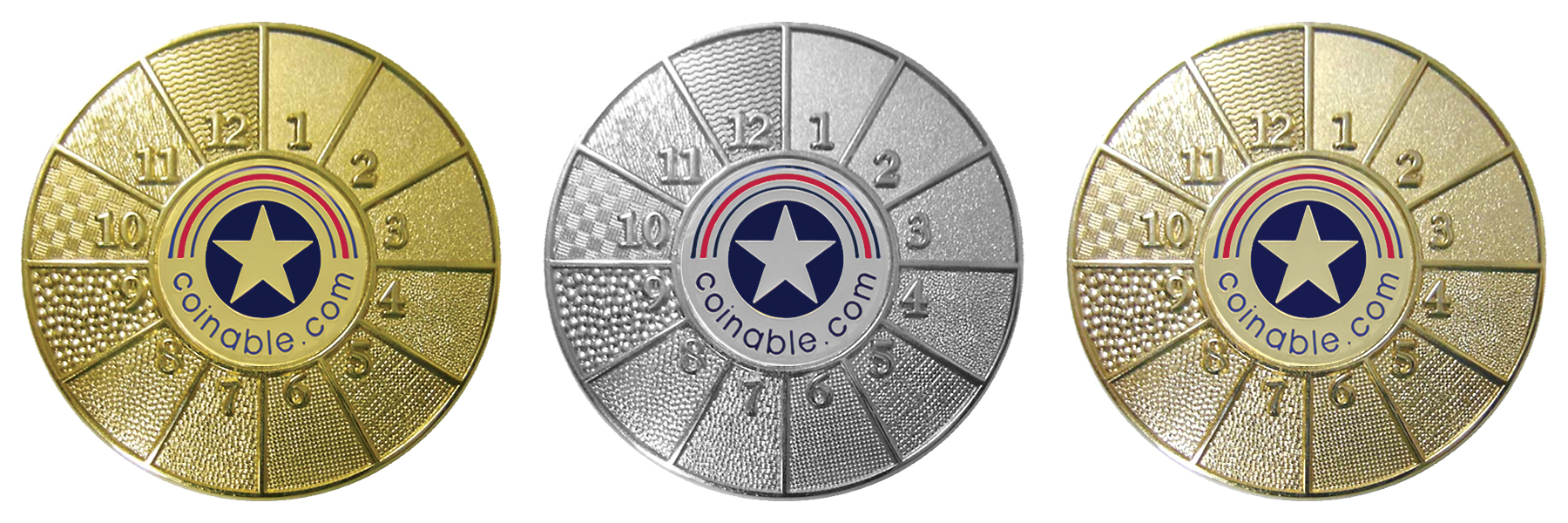
Antique finishes emphasize relief and shadow. Shiny finishes create brilliance. Two-tone combinations let the metal itself become part of the artwork.
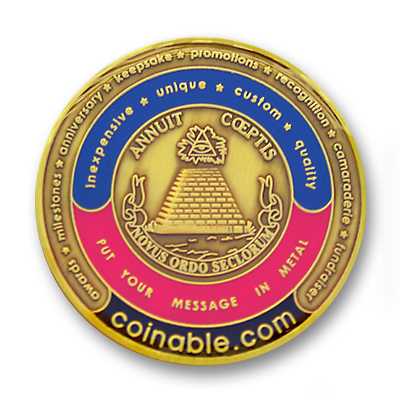
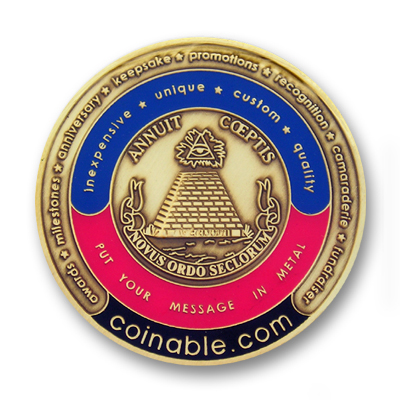
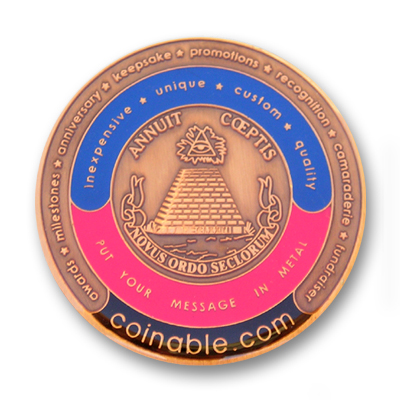
COLOR SHOULD SUPPORT THE METAL.
Enamel can create bold branding, smooth premium surfaces or specialty visual effects without sacrificing the sculpted metal underneath.
COLOR OPTIONS
- Soft enamel
- Hard enamel
- Transparent enamel
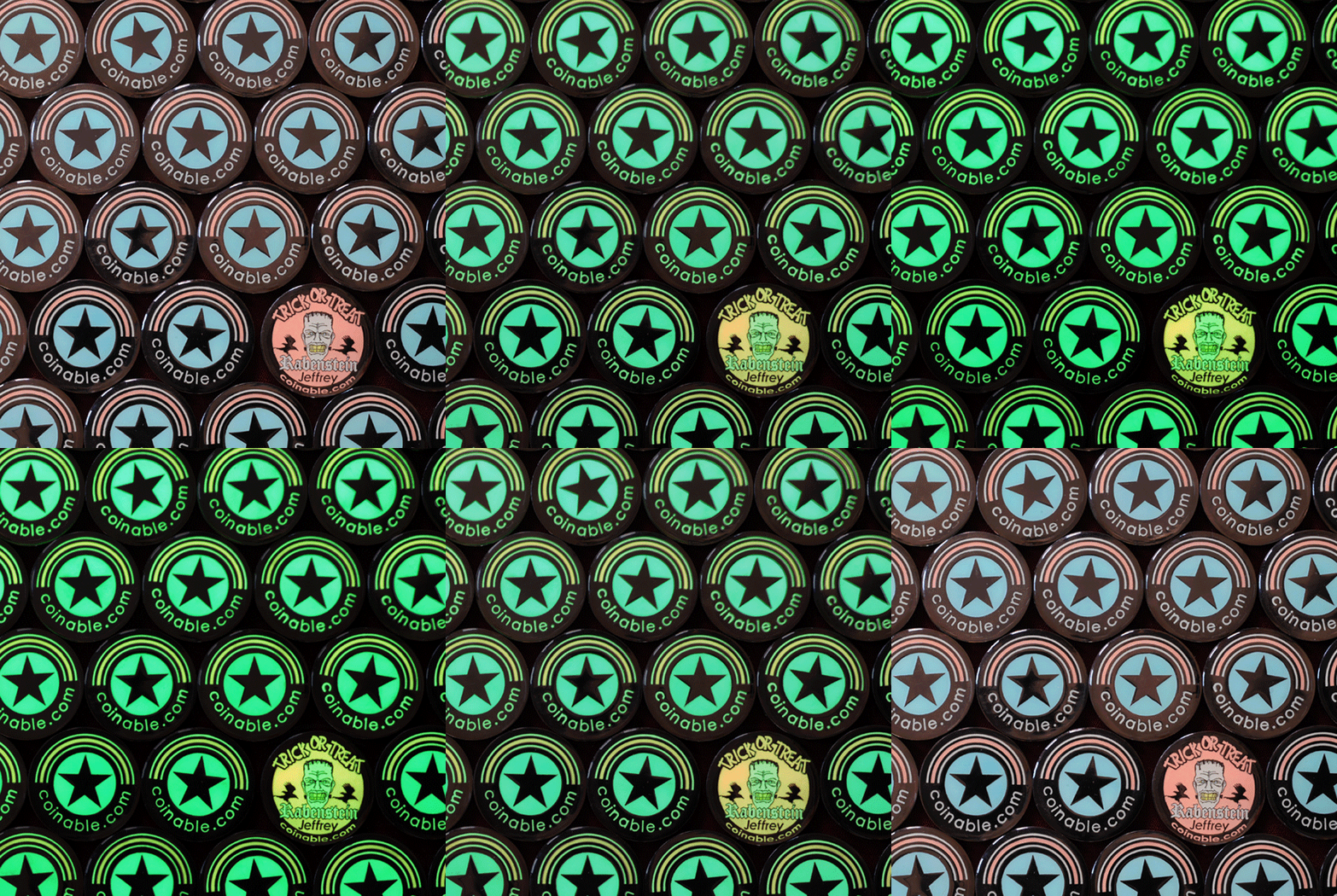
- Glow pigments
- UV printing
- Epoxy coating
Hard enamel is especially effective for smooth, jewelry-like corporate and collectible designs. Soft enamel preserves stronger recessed texture and depth.

USE THE THIRD SURFACE.
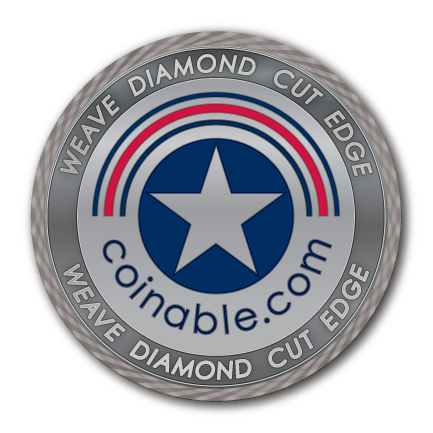
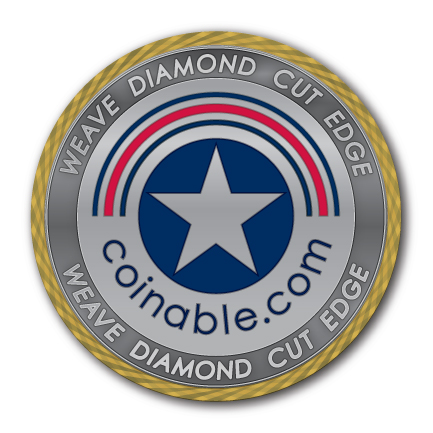
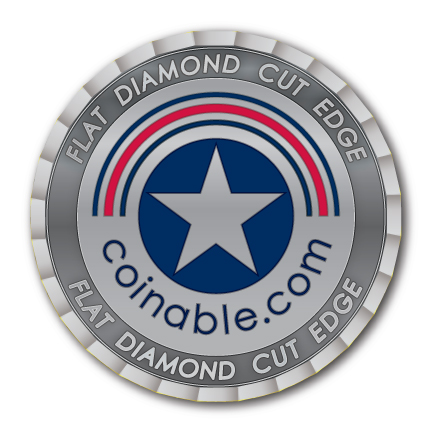
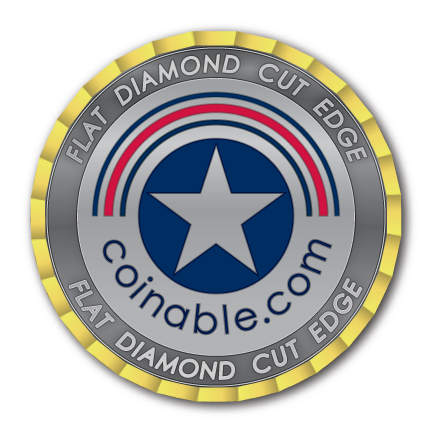
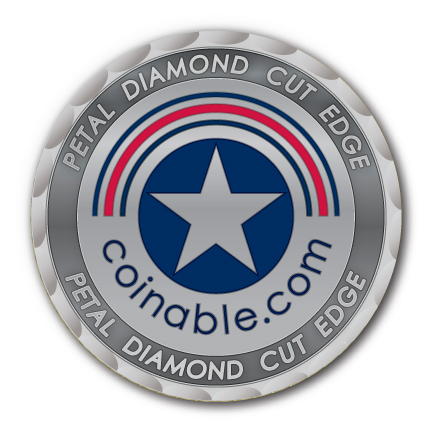
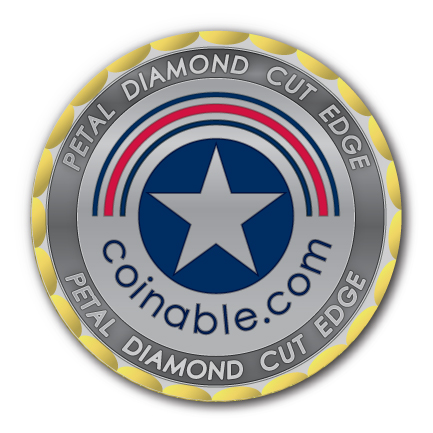
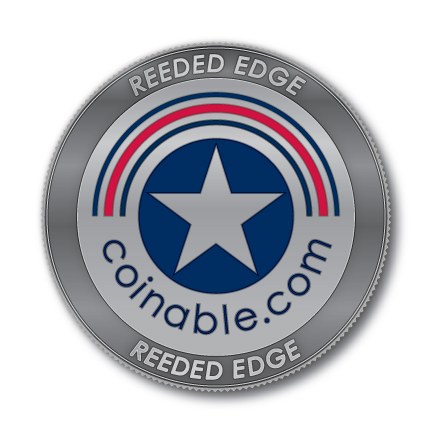
The edge is often overlooked, but it can materially change perceived quality. Keep it flat and traditional or use it as another designed surface.

YOUR COIN DOES NOT HAVE TO BE ORDINARY.
Specialty construction works best when it has a purpose in the design instead of being added simply because the feature exists.
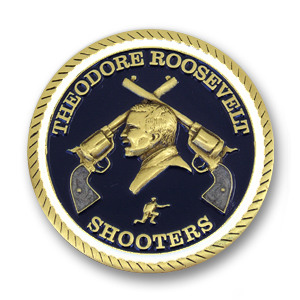
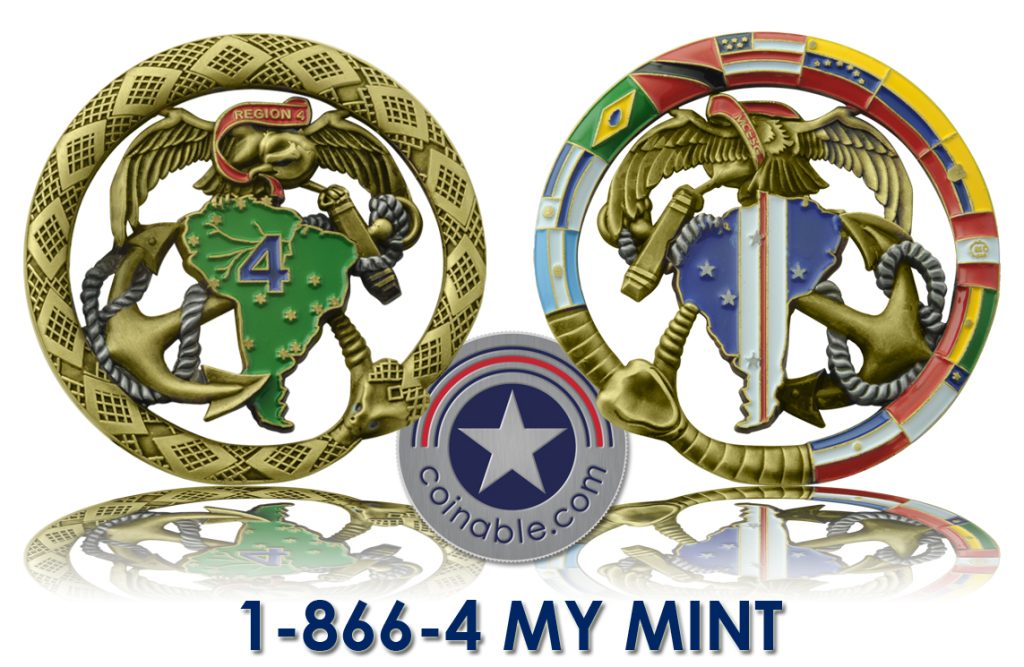
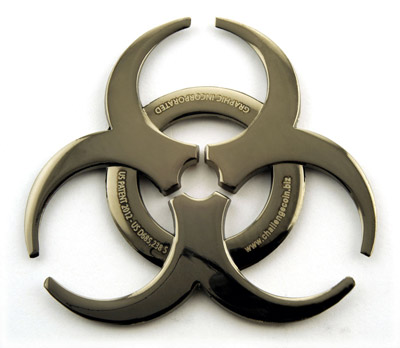
Special-shaped die-cast coins, openings, negative space and silhouette-driven designs.
Spinning centers and multi-piece construction for interactive collectible designs.
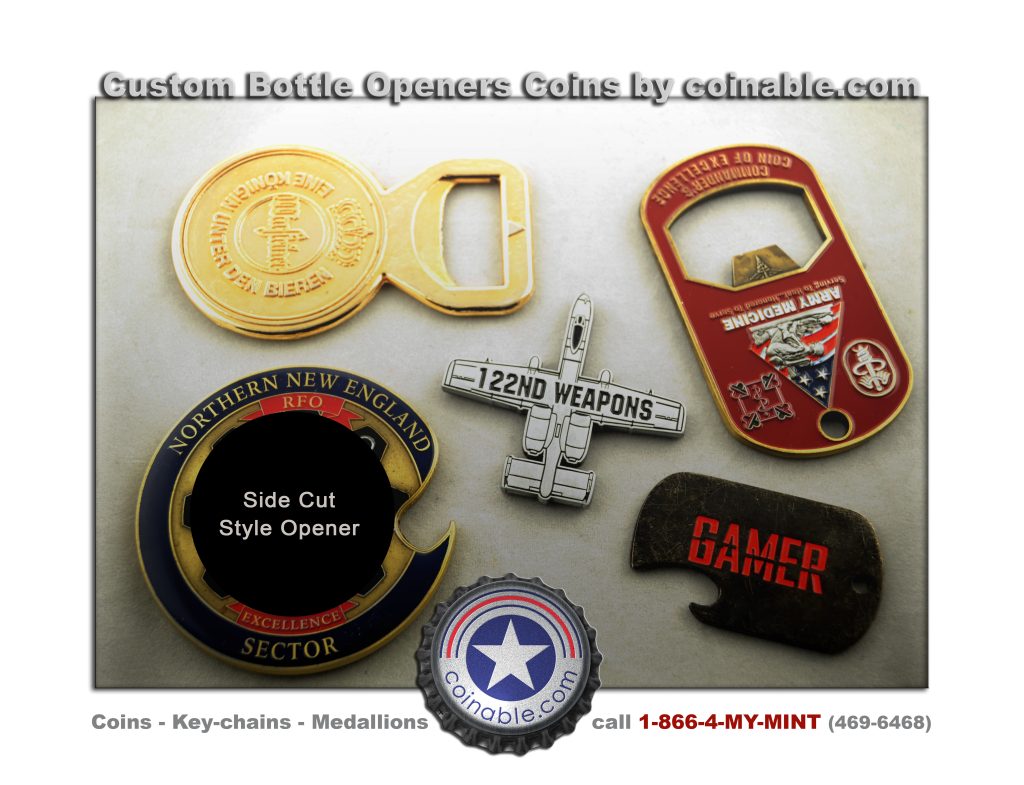
Bottle-openers and functional coin concepts that still retain a strong challenge-coin presentation.
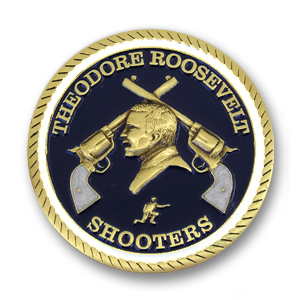
3D sculpting, glow paint, textures, selective features and serialized limited editions.
BUILT FOR MORE THAN ONE MISSION.
The same manufacturing system can support military recognition, corporate awards, collectibles, events, promotions and functional designs.
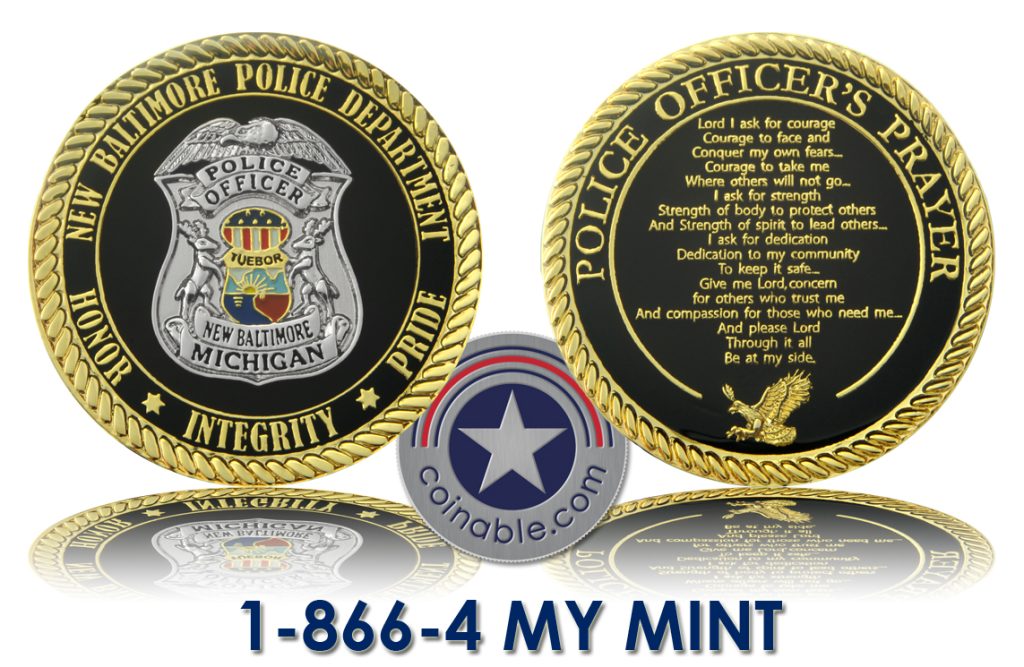
Military units, law enforcement, fire/EMS, clubs, organizations and recognition programs.
Employee awards, anniversaries, milestones, executive recognition and brand collectibles.
Product launches, trade shows, campaigns, events and customer programs.
Serialized collectibles, premium plating, specialty packaging and controlled production runs.
CHOOSE THE PRODUCTION METHOD THAT FITS THE DESIGN.
Round does not automatically mean simple, and special shape does not automatically mean better. The right method depends on geometry, depth, edge behavior and the finished look you want.
Die-Struck Brass
Best for classic round coins, crisp raised and recessed metal, traditional challenge coin weight and strong plated finishes.
- Excellent for round and standard silhouettes
- Strong metal detail and tactile relief
- Ideal for antique and polished plating
- Supports enamel, textures and edge treatments
Die-Cast Zinc
Best when the design needs unusual silhouettes, deeper openings, more aggressive 3D geometry or oversized special-shape construction.
- Flexible special shapes and cutouts
- Useful for oversized coins
- Handles deep sculptural geometry well
- Good platform for utility and multi-piece concepts
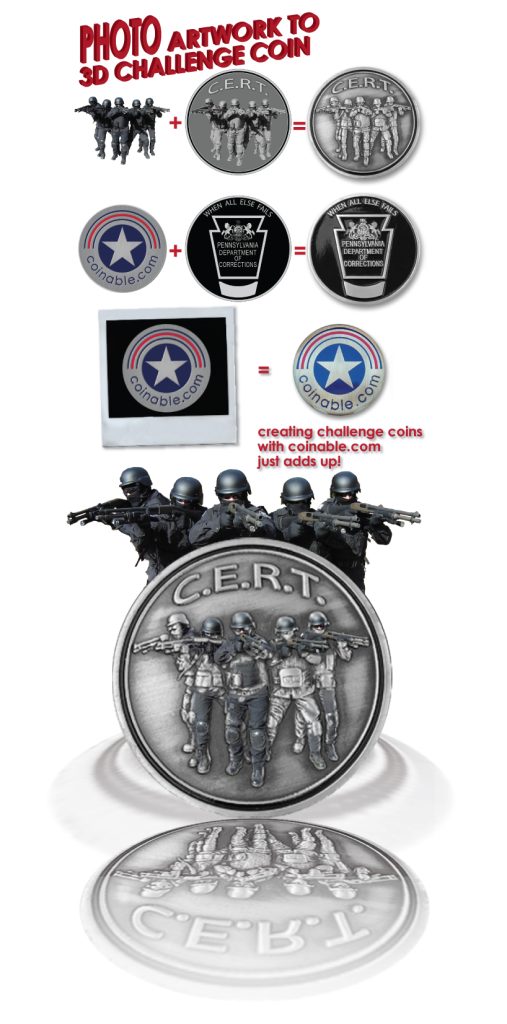
SEE WHAT CHANGES BETWEEN SCREEN AND COIN.
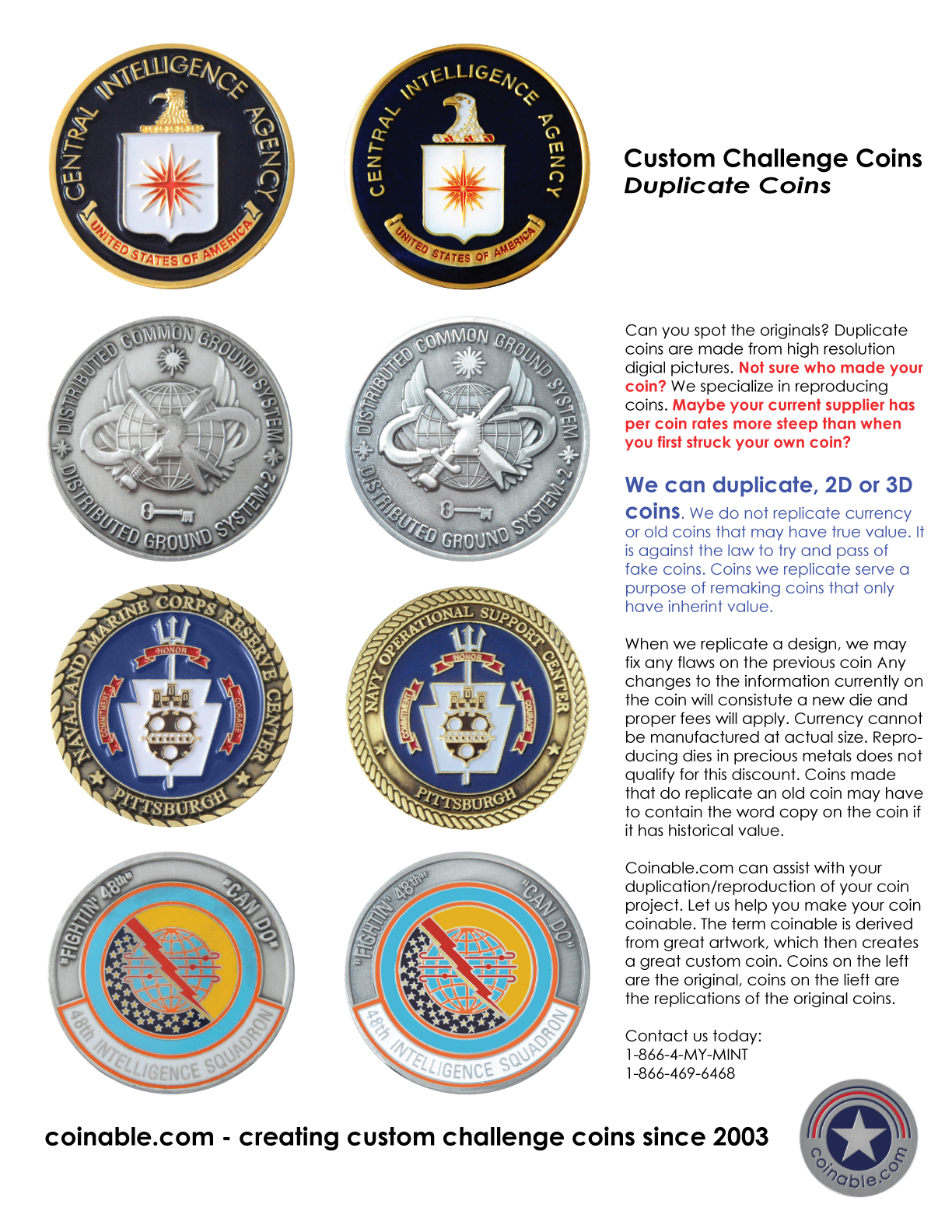
A production drawing is not just a pretty rendering. It is the map for relief, metal separation, enamel placement and manufacturable detail.
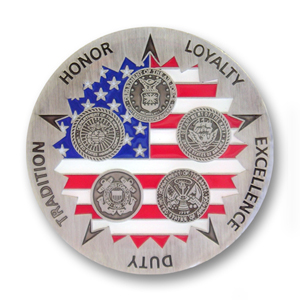
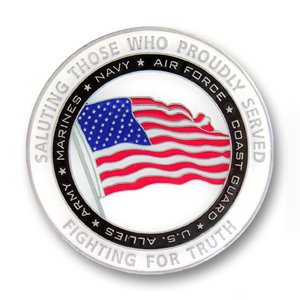
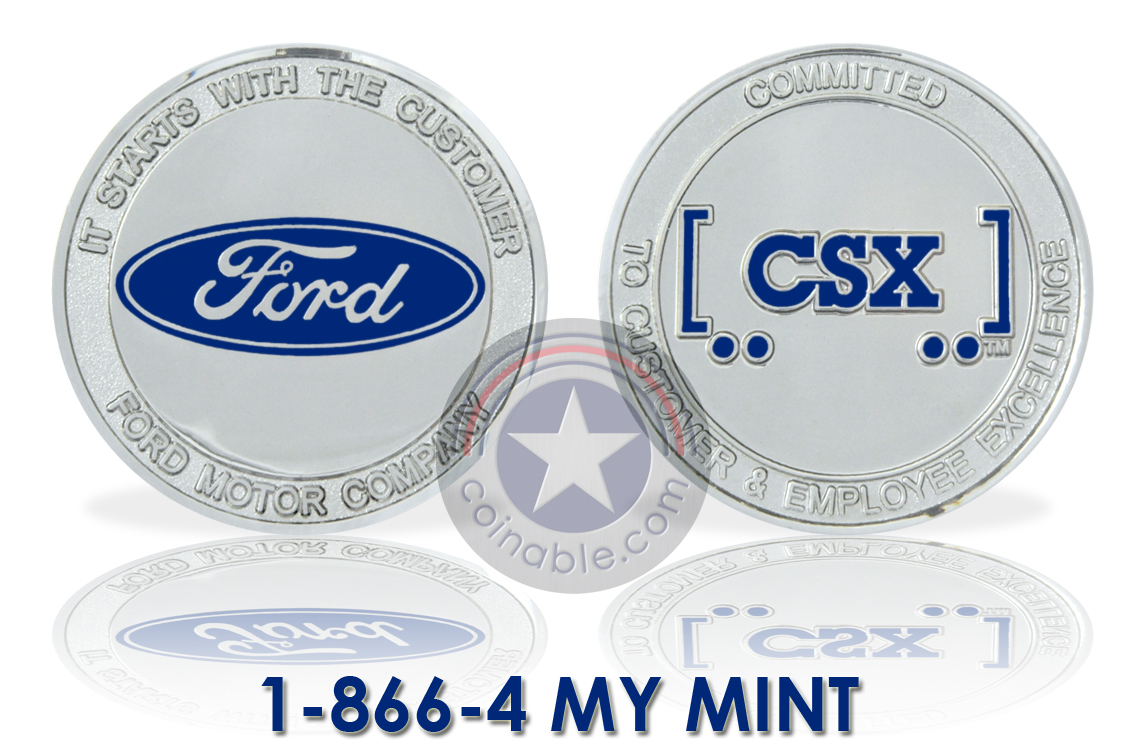
REAL PROJECTS SHOW WHAT THE OPTIONS MEAN.
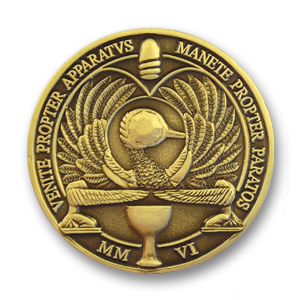
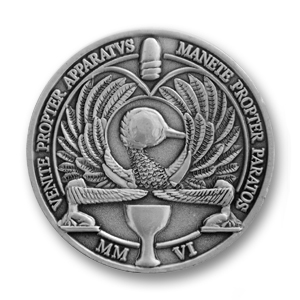
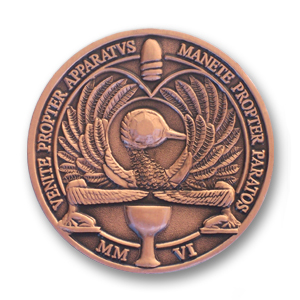
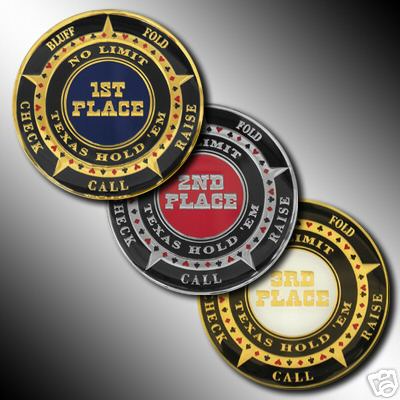
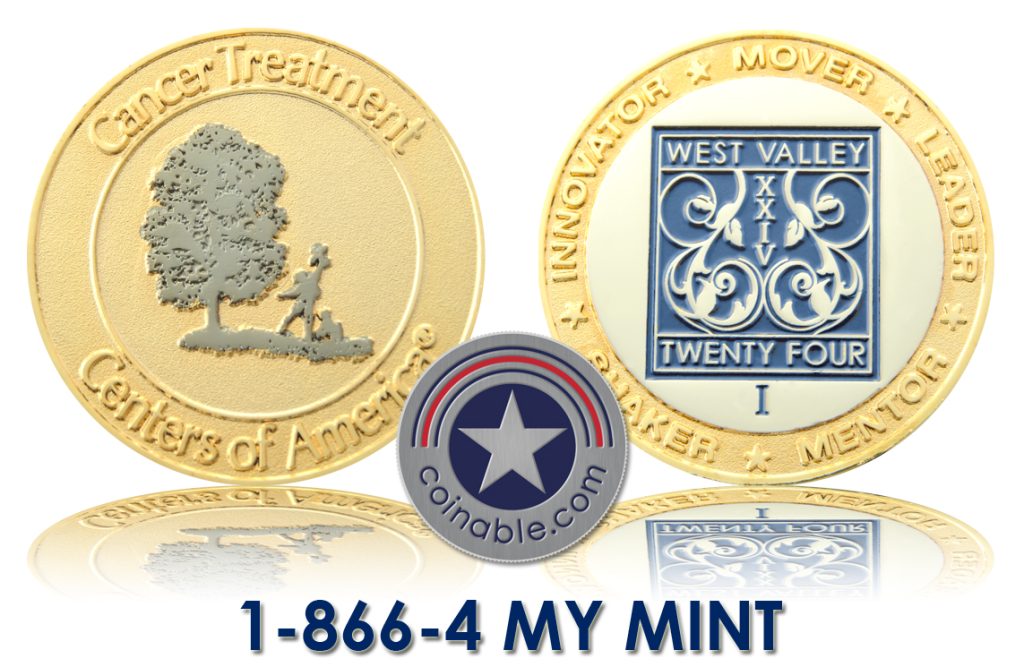
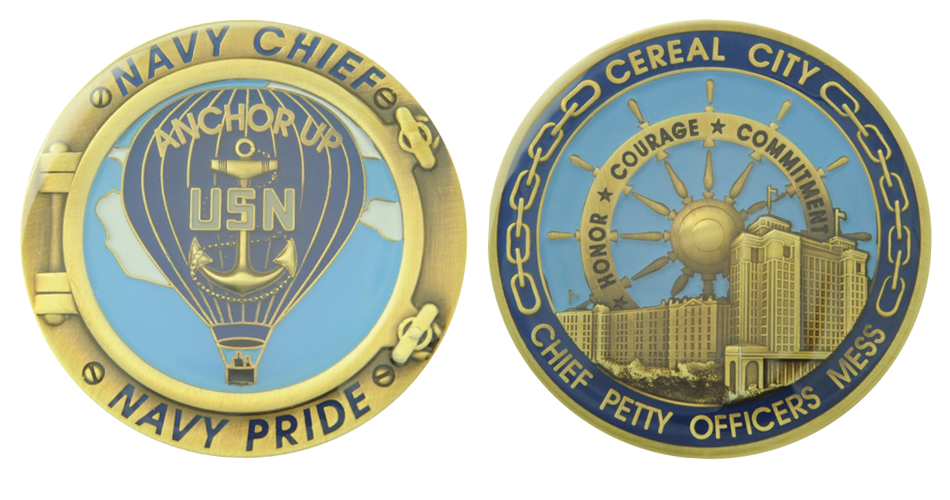
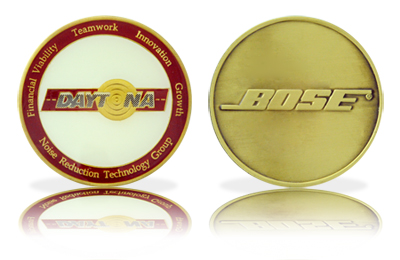
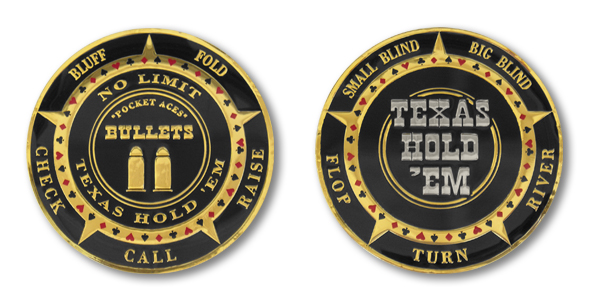
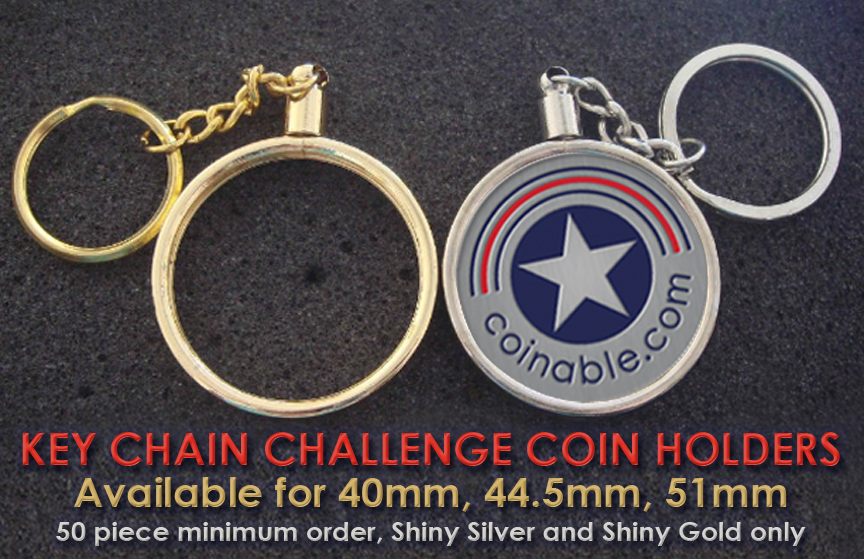
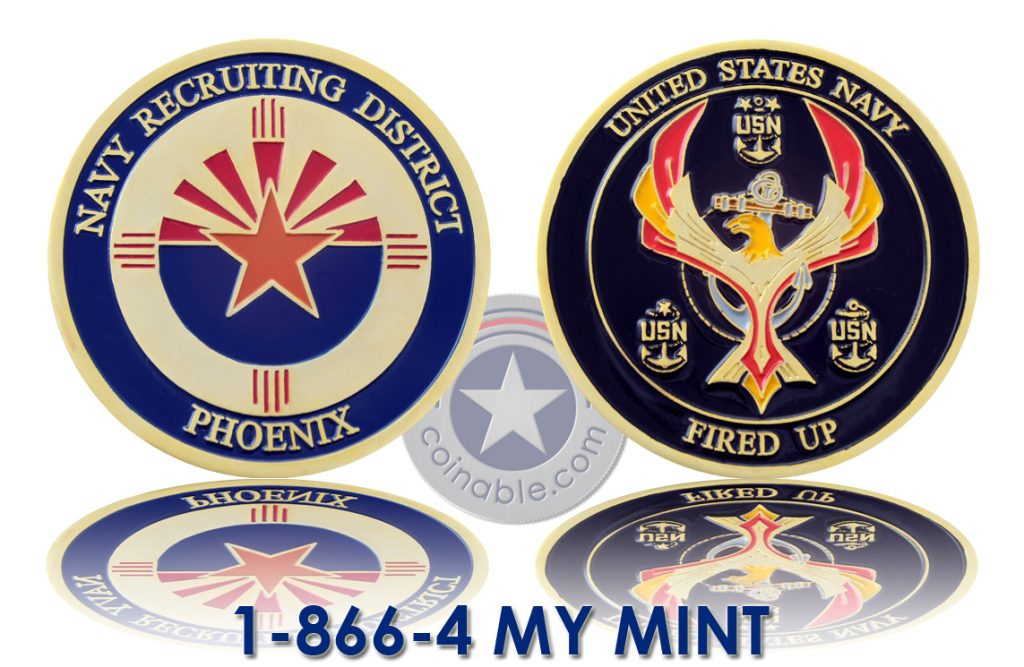
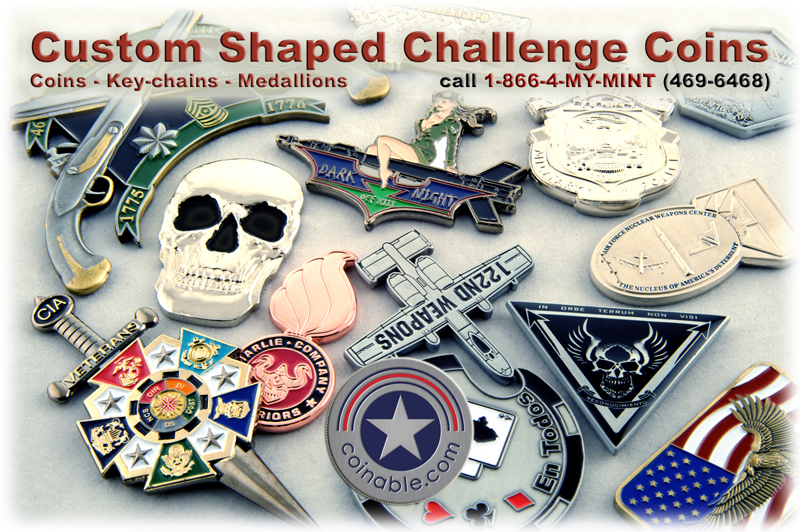
Instead of describing every feature only with text, these older project images give the guide more visual proof and make the page worth browsing.
SIZE CHANGES THE ENTIRE DESIGN.
More diameter creates room for larger lettering, deeper relief and more complex artwork. Smaller coins reward simpler, bolder designs.
QUANTITY AND BUDGET BELONG TOGETHER.
Per-unit cost is driven by the physical build and the number of pieces produced. Larger runs spread tooling and production setup across more coins.
PLAN THE DEADLINE BEFORE ARTWORK APPROVAL.
Production timing starts to become meaningful after the artwork and manufacturing specifications are approved.
IT HAS TO LOOK GOOD AND FEEL RIGHT.
A coin is a tactile object. The design succeeds when relief, weight, plating, edge quality and color all reinforce one another.
- Balanced relief depth
- Proper weight
- Clean plating
- Sharp manufactured detail
- Durable color fill
- Strong tactile presence
THE ARCHIVE SHOULD STILL BE PART OF THE STORY.
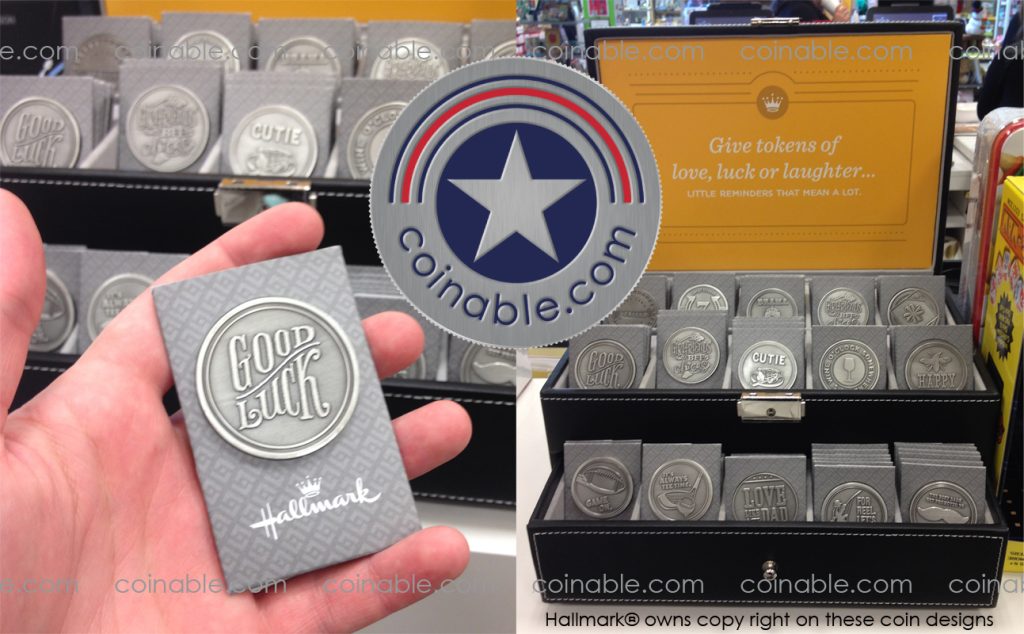
The old guide had a lot of useful visual history. Rather than throwing it away, this section keeps representative examples in a more controlled gallery.
AS SEEN ON QVC · 2004
An earlier Coinable-era project sold more than 800 units on QVC. Historical examples like this are useful because they show the range of coin work long before today’s PRI-FLY workflow existed.
BUILT WITH A MILITARY COIN BACKGROUND.
Coinable is U.S. Navy veteran-owned and has been connected to military and challenge-coin culture throughout its history.
COINABLE · SINCE 2003
From military challenge coins to corporate recognition, commemoratives, collectibles and unusual specialty pieces, the goal remains the same: engineer a finished coin that feels intentional in hand.
The current workflow adds MINI BOSS, PRI-FLY 2.0, AIR BOSS decision tools and visual review without losing the manufacturing knowledge behind the product.
TURN THE GUIDE INTO A REAL BUILD.
Bring the approximate quantity, preferred size, budget range, deadline and any artwork you already have. Start with MINI BOSS for the public path or move directly into PRI-FLY 2.0 for the full signed-in build and quantity decision workspace.